

Marking Borgo Pignano’s urban debut, the values of the original Volterra property are translated into the Florentine context. Owned by Sir Michael Moritz KBE, this new chapter unites the two distinct locations that now form part of the Relais & Châteaux network, under a vision of emotionally engaging hotels that convey the delights of Italy to guests.
Immersed in the greenery and tranquility of the elegant residential neighbourhood yet mere minutes from the historic center, the property extends across a five-hectare estate, making it one of the largest private parks belonging to a city hotel. The concept of the borgo (small historic village) has always been central to the brand’s identity. Harmoniously bringing together 11 buildings, the main villa, annexes and independent residences, it reaches a total of 32 rooms and suites.
The respectful and non-invasive architectural project was overseen by Politecnica, aimed at preserving the estate’s historic character while enhancing its contemporary functionality. Studio Ponsi developed the Cedrus Restaurant, and the pool and pool bar. The interiors are by English designer Guy Oliver, who oversaw the common areas, and Holly Hulburd, who designed the rooms and suites. Ornate ceilings, antique stone fireplaces, natural materials and bespoke furnishings are seamlessly paired with contemporary comforts, creating an atmosphere of refined elegance that feels effortless and understated, with the involvement of specialized artisans who have contributed to preserve and reinterpret the property’s historical heritage.
The park unfolds as a succession of historic gardens, centuries-old olive groves, panoramic terraces and secluded paths enveloped in lush greenery, leading to the spectacular 30-meter outdoor pool that is set to become the largest of its kind among Florence’s hotels.
At the entrance to the estate, Villa La Sosta offers an exceptional private retreat spanning 385 square meters. The independent villa features five sumptuous en-suite bedrooms. Guests enjoy the rare privilege of complete exclusivity alongside full access to the hotel’s amenities and services, while a dedicated private entrance offers an unparalleled sense of discretion and seclusion.
Leading the culinary project is Chef Stefano Cavallini, Culinary Director of Borgo Pignano Hotels, under whose leadership the Villa Pignano restaurant at Borgo Pignano Volterra has been awarded a Michelin Green Star. The gastronomic offering is designed to showcase contemporary Tuscany through authenticity and seasonality, ensuring a continuity of vision.
The experience is completed by the Max Bar, a tribute to the Mille Miglia, furnished with period memorabilia, and the Oscar Pool Bar, a relaxing oasis surrounded by greenery. The bars and restaurants are also open to non-residents, giving both locals and visitors alike the opportunity to enjoy the picturesque setting.
A heated outdoor pool, spa, fitness area and paths designed for private nature walks ensure excellence in hospitality that blends the charm of the countryside with the artistic heritage of Florence.
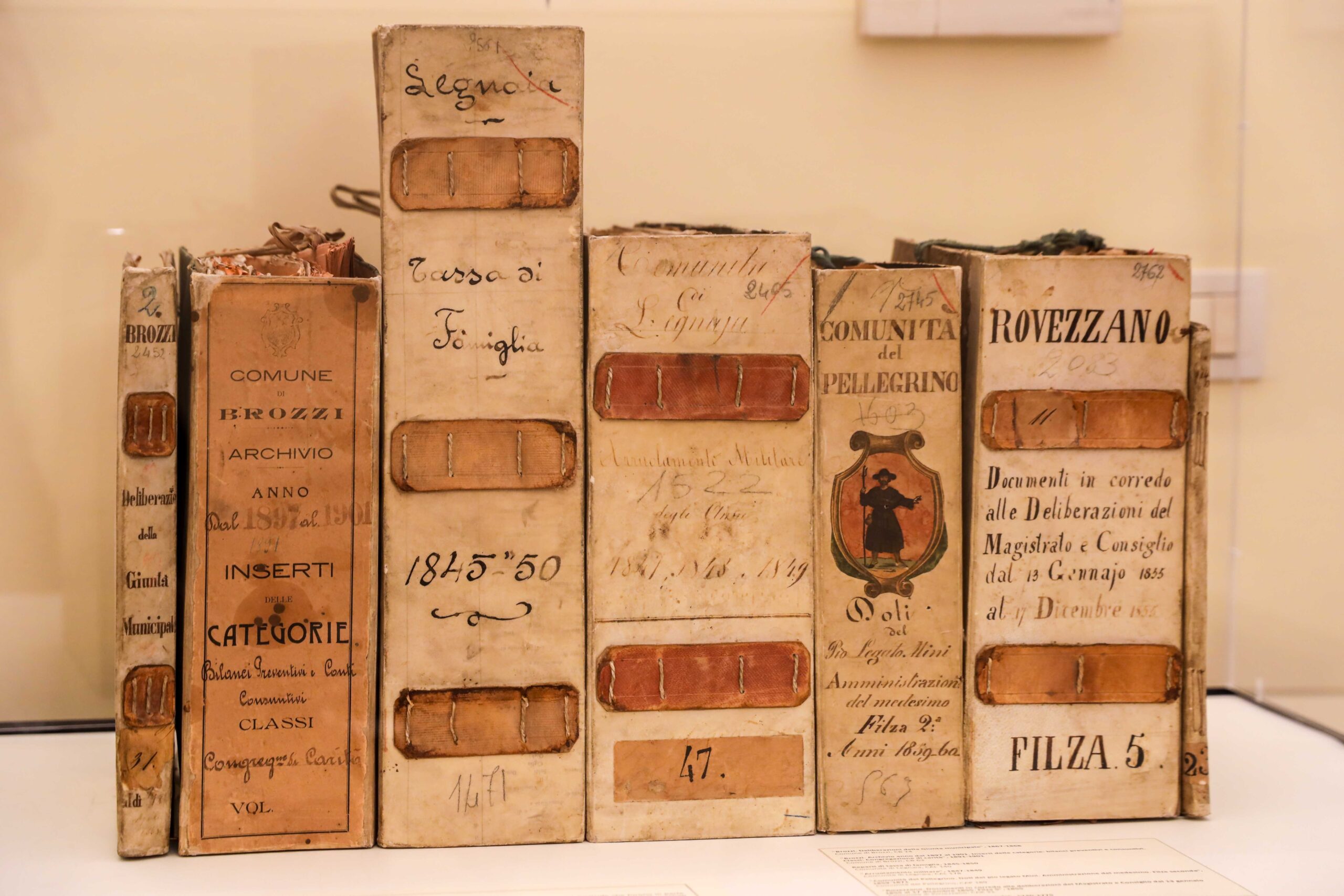
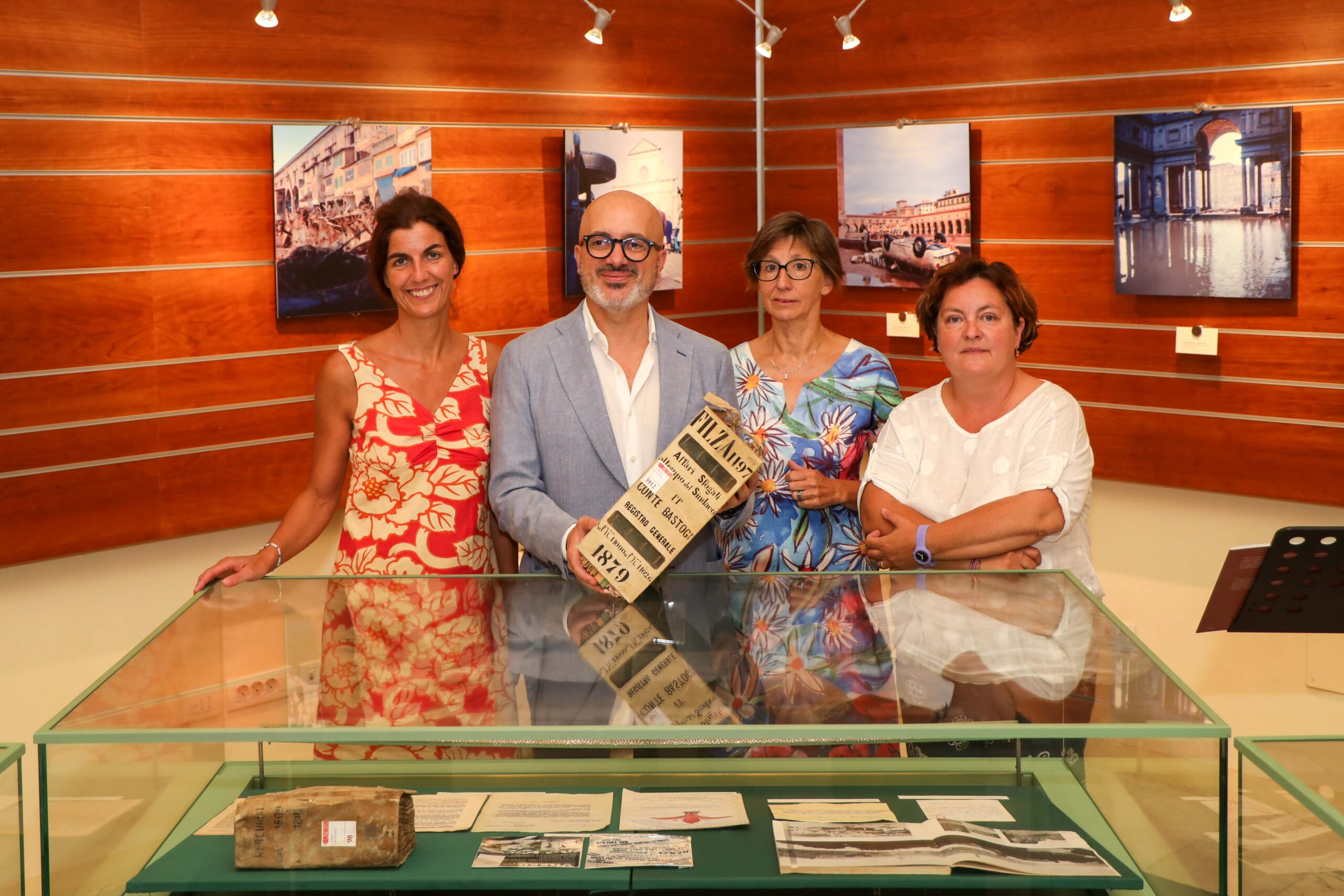
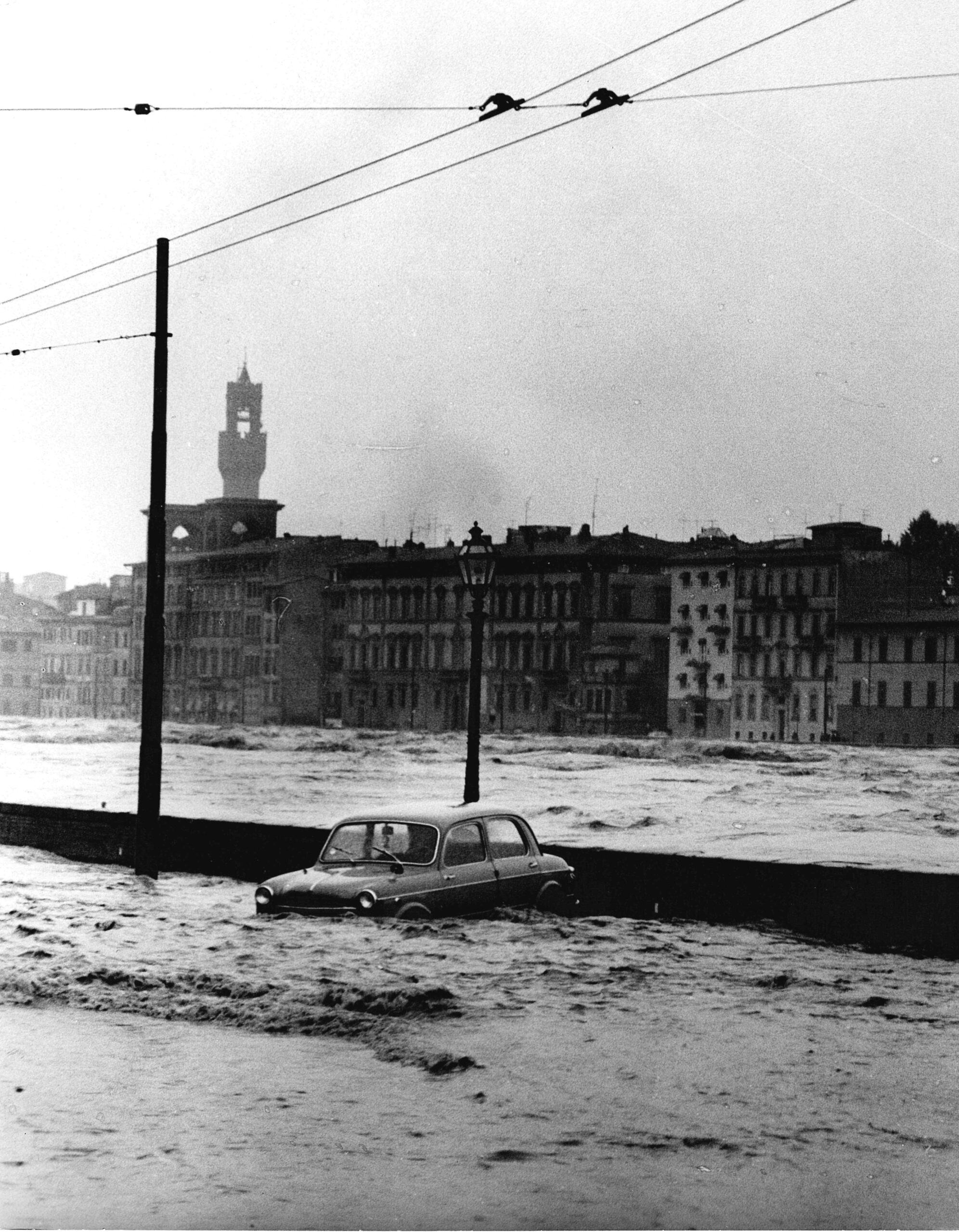
The Historical Archive represents the living memory of Florence, an extraordinary place where documents tell the story of our community, both large and small,”
said Councilor for Culture Giovanni Bettarini.
“Celebrating its fiftieth anniversary at Palazzo Bastogi means celebrating half a century of free public service, made possible by our city administration’s constant investment in qualified personnel, in the care of the building and in the protection of documents guaranteed by the in-house restoration workspace. Today, the archive is a centre of excellence accessible to all, both in person and through an online database containing over 270,000 records.”
“A living history event brings to the public’s attention the profiles of several key figures in the city’s history and its archives, from Grand Duke Pietro Leopoldo to Elisa Baciocchi to the scholar Giuseppe Conti,”
explained Valentina Zucchi, head of cultural mediation at the MUS.E Foundation.
“It’s a theatrical journey in which the characters engage in an imaginary dialogue with the rich and precious corpus of documents housed in the centuries-old Palazzo Bastogi, a repository of civic memory from the late eighteenth century onwards when the Comunità di Firenze was founded.”
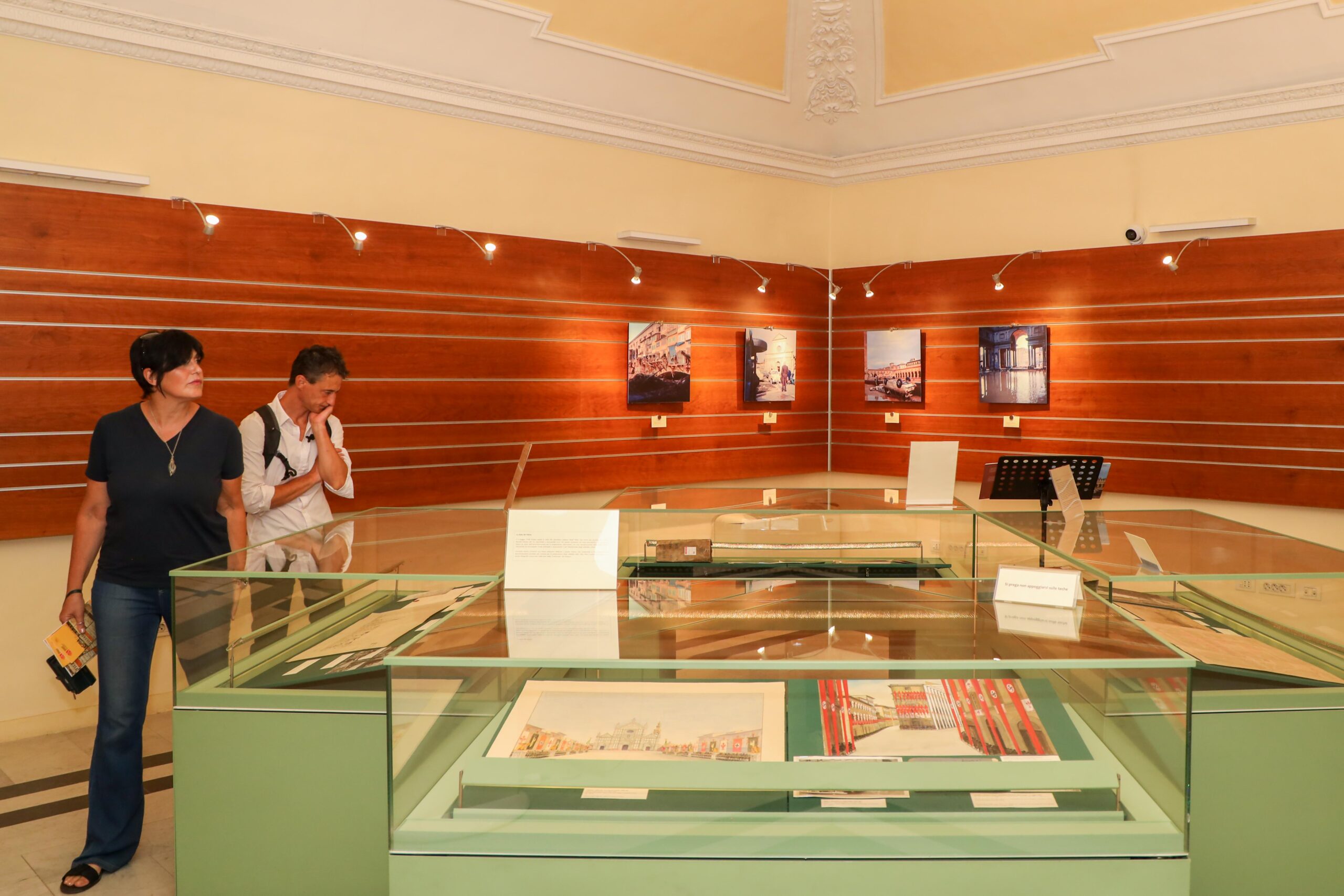
The documentary exhibition will remain open on Tuesdays and Thursdays, as well as the first Sunday of each month, through October 4.
The theatrical tours are scheduled for September 6, October 4, November 1 and December 6, with advance reservation required.