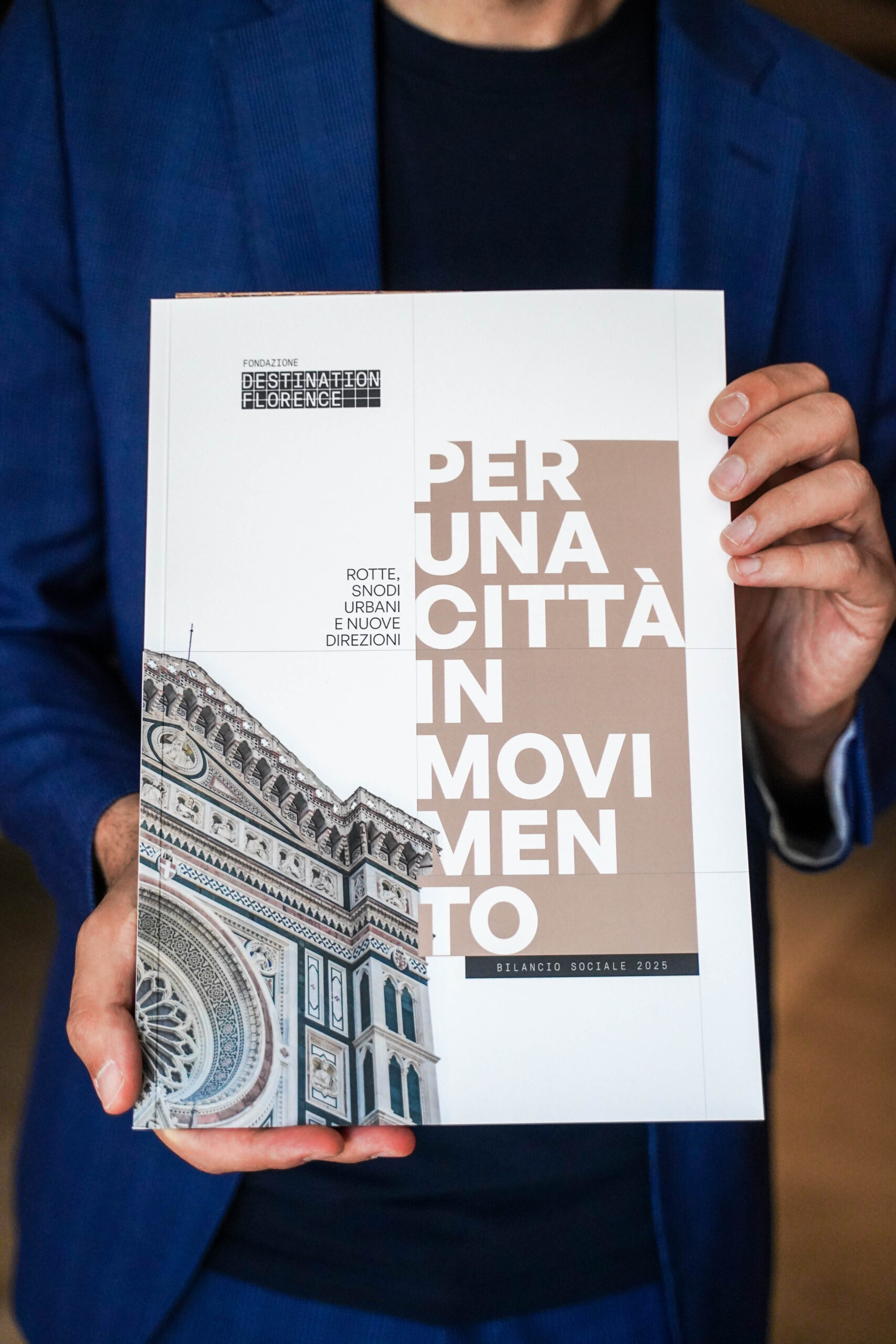


Collaborative governance that integrates public authorities, the private sector, cultural institutions, universities and citizens in tourism planning are what are required in today’s tourism management, synthesizing diverse needs and expectations into a strategic management and development framework while being innovative in the face of a rapidly evolving tourism landscape and travel patterns.
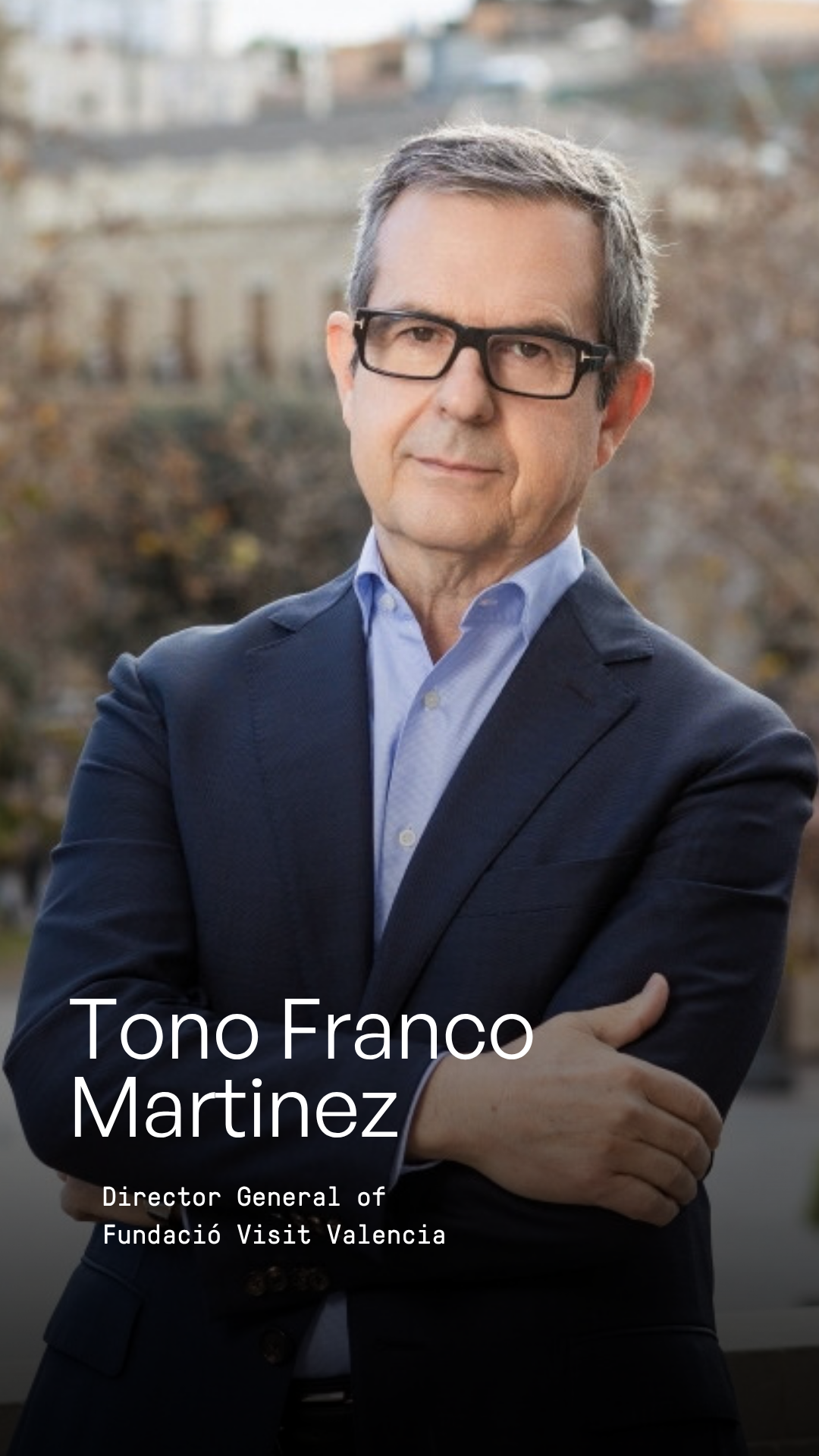
One of the key challenges facing a DMO today is articulating its transformation from an organization primarily focused on tourism promotion into one that manages the visitor economy as an integral part of the city’s broader strategic vision. This evolution requires communicating that tourism is a multifaceted urban phenomenon that influences quality of life, the use of public spaces, the preservation of heritage and the city’s international reputation. Tono Franco Martínez, Director General of Fundació Visit Valencia comments:
“In the case of Valencia, this approach is reflected in the 2025–2028 Tourism Strategic Plan, which places citizens at the heart of tourism initiatives and promotes a growth model capable of managing tourism’s negative externalities through data-driven policies and collaborative governance. In this context, communicating the value of a DMO means demonstrating how tourism can contribute to the city’s economic and social development while safeguarding its identity and lifestyle. This requires transparently explaining the impact of tourism, integrating its management with other urban policies - such as mobility, sustainability and spatial planning - and strengthening dialogue with the public.”
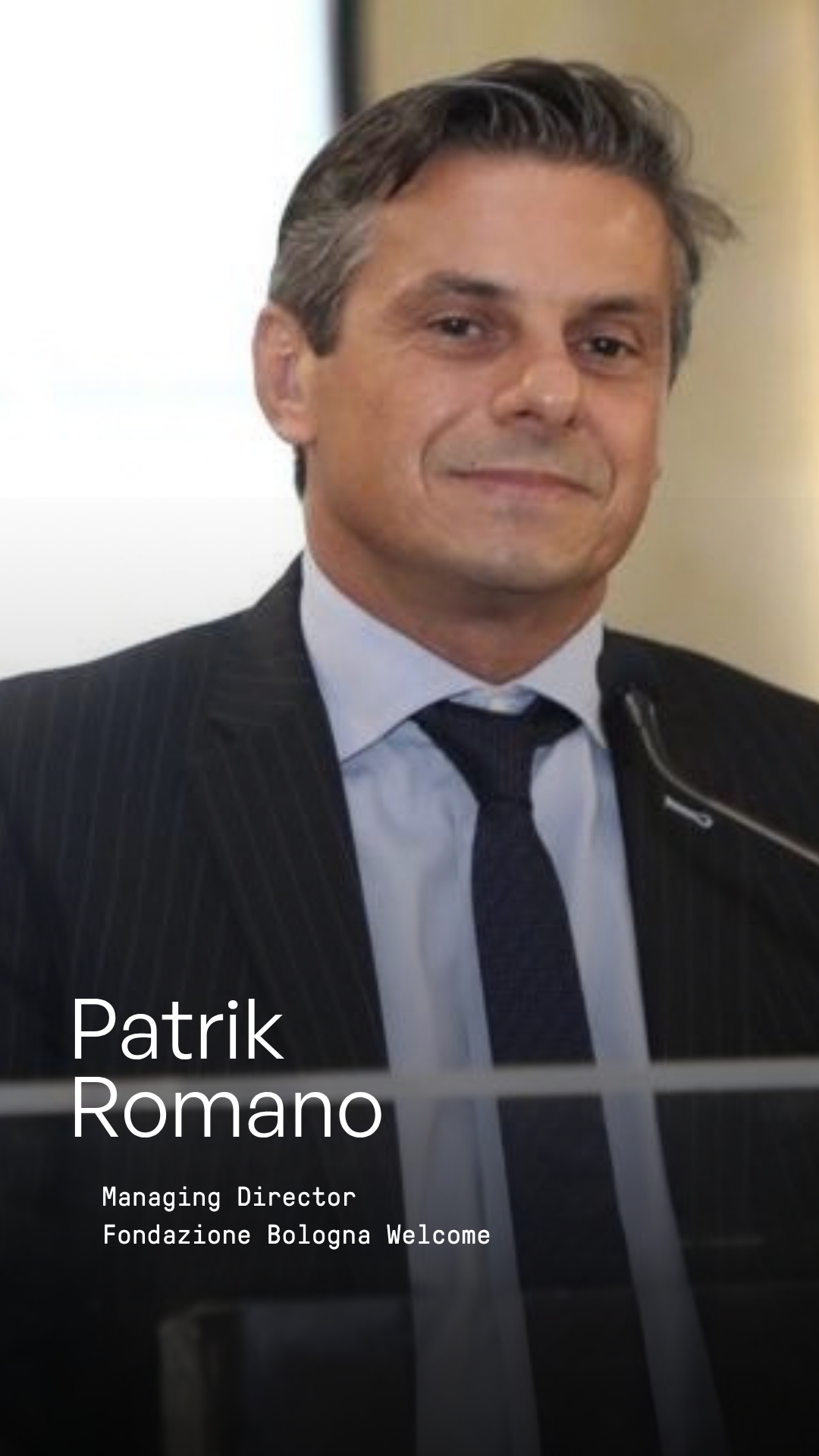
Patrik Romano (Managing Director Fondazione Bologna Welcome) elaborates:
“DMOs currently face at least three major challenges. The first is to avoid limiting their role exclusively to promotion and communication activities, and instead assume a central role in the management and promotion of the destination, taking responsibility for tourism governance in all its dimensions, with particular attention to the destination’s overall attractiveness. If the goal is to achieve sustainable tourism growth that remains in balance with the territory, it’s essential to integrate and coordinate destination development policies with broader urban development policies. The second challenge is financial sustainability. DMOs need reliable investment over the medium and long term in order to plan and implement effective strategies for managing and developing tourism, as well as to build the professional expertise needed to oversee these activities.”
Read the full report